
How to Write System Prompts That Don't Drift
Learn how to craft effective system prompts that prevent drift in AI responses, ensuring clarity and consistency.
August 21, 2026
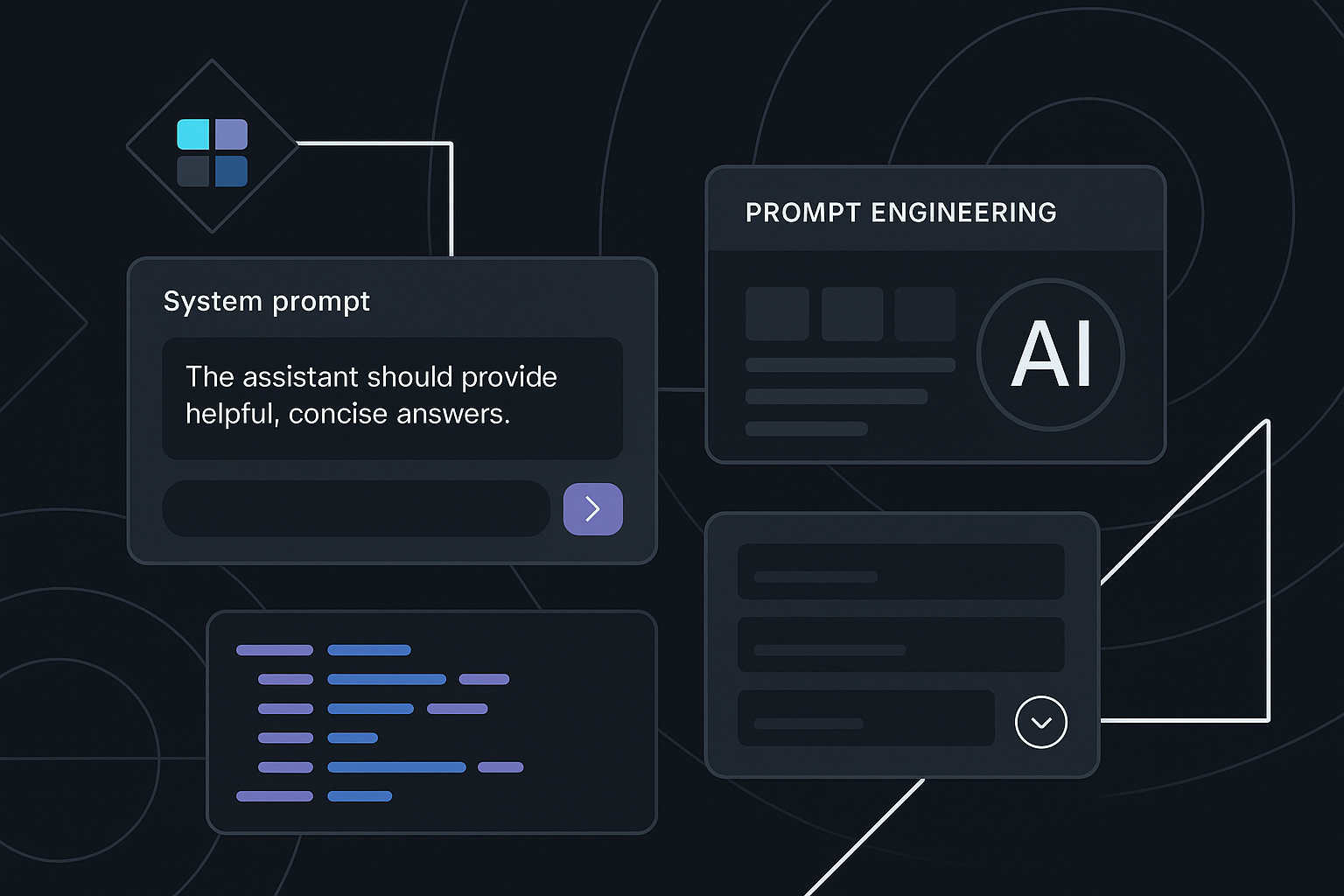
How to Write System Prompts That Don't Drift
In the world of software and AI tools, crafting effective system prompts is crucial for ensuring that your application behaves as intended. As someone who has been navigating this landscape for a while, I have learned that the way we write prompts can significantly influence the output we receive. This post will explore practical strategies to create system prompts that remain focused and consistent.
Understanding System Prompts
Before we dive into the specifics, let’s clarify what system prompts are. System prompts are instructions given to AI models, guiding their responses based on the context and desired outcome. Poorly constructed prompts can lead to drift — where the AI's responses deviate from the intended direction.
Why Prompt Drift Occurs
Prompt drift can happen for a variety of reasons:
- Ambiguity: Vague prompts can lead to varied interpretations.
- Complexity: Overly complex prompts may confuse the model.
- Lack of Context: Without enough context, the model may fail to generate relevant responses.
Key Strategies to Prevent Drift
To create effective system prompts, consider the following strategies:
1. Be Specific
Clarity is key. The more specific your prompt, the less room there is for misinterpretation. For example, instead of asking, “Tell me about AI,” try “Explain how AI is used in healthcare.” This directs the model toward a specific area.
2. Use Structured Formats
Utilizing structured formats can help in reducing ambiguity. For instance, you could use bullet points or numbered lists in your prompts to outline what you want the model to cover. An example prompt might be:
- List three benefits of AI in education.
- Explain each benefit in one or two sentences.
3. Provide Context
Providing context helps the model understand the scope of the prompt. For example, if you're asking for a summary of a technical paper, include the paper's title and key themes to guide the AI’s responses.
4. Test and Iterate
Prompt engineering is an iterative process. Don’t hesitate to test different versions of your prompts to see which yields the best results. Keep track of what works and refine your approach based on the outcomes.
5. Limit the Scope
Narrowing the scope of your prompts can help prevent drift. Instead of asking a broad question, break it down into smaller, more manageable parts. For example:
- Instead of “What are the applications of AI?”, ask “What is one application of AI in finance?”
6. Use Examples
Providing examples within your prompt can clarify expectations. For instance, if you want the model to generate creative writing, you might include a sentence or two as a reference, such as: “Write a short story about a robot learning to dance, similar to this style: [insert example].”
Checklist for Writing Effective System Prompts
Here’s a quick checklist to help you create effective system prompts:
- [ ] Is the prompt specific?
- [ ] Is the format structured?
- [ ] Have I provided sufficient context?
- [ ] Have I tested different versions?
- [ ] Is the scope limited?
- [ ] Have I included examples?
Conclusion
Writing system prompts that don’t drift is an essential skill for founders, builders, and anyone working with software and AI tools. By being specific, using structured formats, providing context, and iterating on your prompts, you can significantly enhance the quality of the responses you receive from AI models.
For more insights on prompt engineering and how to effectively utilize AI tools, check out our blog or visit our FAQ section for deeper dives into specific topics.
Remember, the goal is to communicate clearly with your AI tools to drive better outcomes. Happy prompting!
Related
- what is rag ai: Understanding RAG AI: A Fresh Perspective on AI Integr
what is rag ai — Explore what RAG AI is and how it enhances AI applications with retrieval capabilities for more accurate responses.
- AI Agents Explained: Understanding Their Role and Applications
Explore the concept of AI agents explained, their types, applications, and essential considerations for builders and founders.
- Why Fine-Tuning Is Usually the Wrong First Move in AI Development
Discover why fine-tuning is often the wrong first move in AI development and explore better alternatives.